What Does Cruelty-Free Mean?
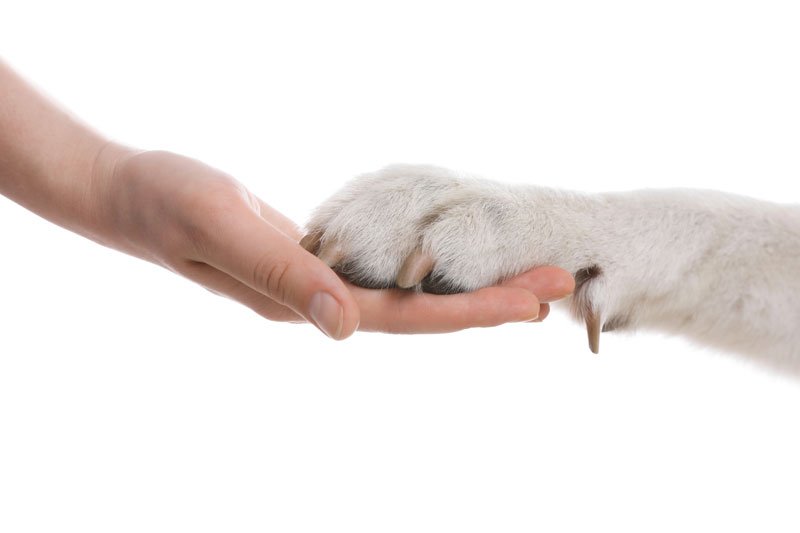
A product is generally considered cruelty-free when the company behind it doesn't conduct or commission animal testing at any stage of the product's development. Depending on the certifier, that can extend to:
Ingredients
Finished products
Suppliers and contract manufacturers
Third-party labs
The brand's written animal-testing policy
Unfortunately, governments often lack a legal definition for "cruelty-free," leaving the term largely unregulated. For example, a product label might say "not tested on animals" even if some of the ingredients were. The loop hole is that the finished product was not tested on animals; a manipulation of truth that is sad, but common.
Cruelty-free does not automatically mean vegan. Cruelty-free is about testing; vegan is about ingredients. That distinction trips up a lot of shoppers, so we cover it in detail in Cruelty-Free vs. Vegan.
If you're trying to buy cruelty-free, knowing what to look for — and what to look past — saves a lot of guesswork. Here's what the term really means, how brands get verified, and how to shop softly with confidence.
How to Shop Softly
Products commonly labeled as “cruelty-free” include cosmetics, skincare, haircare, personal care, household products, and pet care — the same categories we organize our directory around.
Because the term "cruelty-free" is not regulated by governments, be cautious of text-only claims that don't reference a certifying body. Phrases like “Not Tested on Animals” or “Against Animal Testing” are meaningless if they're not held against the objective standards of product certifiers like Leaping Bunny, Beauty Without Bunnies, Logical Harmony, Cruelty-Free International, or Independent Vet.
Looking for these specific logos is the best way to verify a brand's claims.
What The Certifications Mean
Beauty Without Bunnies is based on a signed corporate statement of assurance, checked against PETA's own criteria, and is searchable in PETA's company database.
Logical Harmony maintains a curated approval standard rather than acting as a formal third-party certifying organization. To be certified, a brand must explicitly verify that no animal testing occurs at any stage of production or distribution.
Vegan Action issues the Certified Vegan Logo for individual products containing no animal products (or by-products), and which must be also free from animal testing. Certified products also exclude animal-derived GMOs and processing aids, while requiring strict cleaning protocols for equipment shared with animal products, and prohibits distribution in any country that mandates animal testing.
Leaping Bunny requires that neither the company nor its suppliers can conduct or commission any new animal testing. The brand must implement a rigorous supplier monitoring system, securing legally binding declarations of compliance that trace all raw ingredients back to their original manufacturers. Additionally, the brand must submit to regular, independent third-party audits of its entire supply chain, completely forgo selling in foreign markets where regulatory animal testing is mandated by law, and formally renew its commitment annually to verify ongoing compliance. (It should be noted that outside the United States and Canada, Leaping Bunny is also known as Cruelty-Free International, however because companies export their goods globally, consumers can find products bearing both the Leaping Bunny and CFI symbol in retails markets worldwide.)
Are Cruelty-Free Products Vegan?
Not necessarily. A cruelty-free product can still contain animal-derived ingredients — beeswax, honey, lanolin, carmine, or certain forms of collagen are common examples.
Burt's Bees is a textbook case. The brand is Leaping Bunny certified — meaning it doesn't test on animals — but many of its best-known lip balms and lotions contain beeswax and honey, so those products aren't vegan. Cruelty-free and vegan answer two different questions, and a brand can pass one without passing the other.
If ingredients matter to you, check vegan status specifically. If testing matters to you, check cruelty-free status specifically. If both matter, check both — see our full Cruelty-Free vs. Vegan breakdown.
Can Cruelty-Free Status Change?
Yes. Ownership, suppliers, manufacturing, or country distribution can all shift it.
For example, in 2023 The Body Shop became the first global beauty brand to have its entire product range certified vegan by The Vegan Society, having removed ingredients like honey and lanolin. Then, in a statement to The Vegan Society in August 2025, the brand confirmed it was reintroducing beeswax and honey into a portion of its formulas — dropping its full-range vegan certification less than two years after earning it. Its Leaping Bunny status wasn't affected, because the product was still reliably free of animal testing, but it did lose it's certification with The Vegan Society.
This is why you can't rely on a blog post or social media graphic that may be months or even years old. Look for information that's been recently checked — every listing in our directory carries the date we last verified it, and you can report a brand if something looks out of date.
Does a Parent Company Affect Cruelty-Free Status?
Sometimes, depending on your own standards. A cruelty-free brand can be owned by a much larger parent company. Some shoppers only care about the individual brand's policy; others want the whole parent company to meet the same bar.
There's no universal right answer — but there is a right amount of transparency. That's why every listing on shopsoftly.com shows parent-company information alongside certification status, so you can decide where your own line is.
Why Shopsoftly Exists
Finding cruelty-free products shouldn't require a dozen browser tabs and half a dozen conflicting lists. Shopsoftly brings together 500+ verified cruelty-free brands across categories from cosmetics to pet care, each one checked against a real certifier — Leaping Bunny, PETA, Logical Harmony, Beauty Without Bunnies, Cruelty-Free International, Vegan Action, or an independently verified policy — with parent-company ownership shown alongside it.
Know a cruelty-free brand that's missing? Submit it here. Think a listing is out of date? Let us know. You can also read more about how and why we built the directory.
Frequently Asked Questions
What does cruelty-free mean? A product and its ingredients haven't been tested on animals — though exactly what that covers (suppliers, third parties, finished products) depends on the certifier.
Is cruelty-free the same as vegan? No. Cruelty-free is about animal testing; vegan is about animal-derived ingredients. See Cruelty-Free vs. Vegan for the full comparison.
Can a cruelty-free product contain animal ingredients? Yes — Burt's Bees is a well-documented example: Leaping Bunny certified, but several products contain beeswax and honey.
How do I know if a brand is cruelty-free? Check a recognized certifier's database (Leaping Bunny, PETA), the brand's own animal-testing policy, and its parent-company ownership. Or search our directory for a pre-verified answer.
Can a brand lose its cruelty-free status? Yes — through acquisition, new markets, or supplier changes. The Body Shop's 2025–26 vegan-status reversal shows how quickly a single claim can change, even when the cruelty-free (testing) status doesn't.